
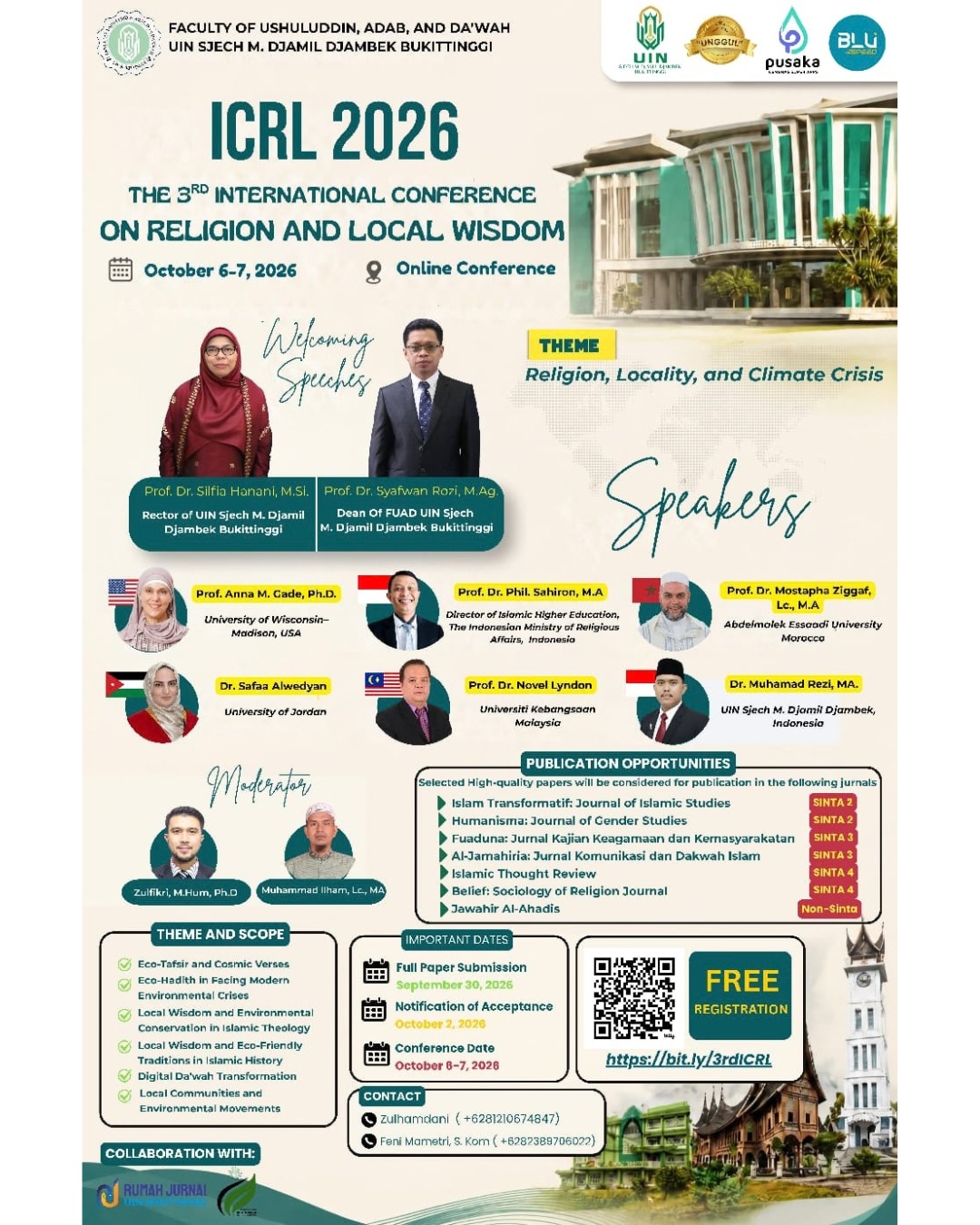
Bukittinggi, October 6–7, 2026 — The Faculty of Ushuluddin, Adab, and Da’wah (FUAD) at UIN Sjech M. Djamil Djambek Bukittinggi successfully held its annual international event, the 3rd International Conference on Religion and Local Wisdom (ICRL 2026). The two-day virtual conference convened around a deeply urgent theme: “Religion, Locality, and Climate Crisis”.
This international event was organized by FUAD UIN Bukittinggi in collaboration with the Center for Ecotheology Studies (Pusat Kajian Ekoteologi) and Rumah Jurnal UIN Bukittinggi.
Addressing Climate Crisis Through Religious Ethics and Local Wisdom
The theme reflects the pressing reality of the global climate crisis, which disproportionately impacts vulnerable communities. The conference emphasized that addressing environmental degradation requires more than technological or policy-driven solutions; it demands a profound shift in human ethics, values, and worldviews. Religious traditions and indigenous knowledge systems offer crucial moral, spiritual, and ecological insights, reminding humanity that nature is a sacred trust (amanah) to be cherished, protected, and sustained.
The conference was officially opened by the Rector of UIN Sjech M. Djamil Djambek Bukittinggi, Prof. Dr. Silfia Hanani, M.Si, accompanied by the Vice Dean for Academic and Institutional Affairs of FUAD, Dr. Zulfan Taufik, M.A. Hum. The sessions were led under the guidance of the Conference Chairperson, Dr. Darul Ilmi, M.Pd, and Advisory Board member, Prof. Dr. Syafwan Rozi, M.Ag.
Featuring Renowned International Keynote and Invited Speakers
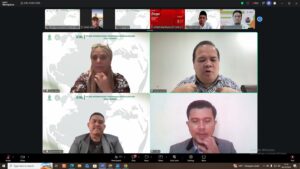
The plenary sessions featured prominent scholars from around the globe who presented interdisciplinary perspectives on environmental and social sustainability:
- Prof. Dr. Phil. Sahiron Syamsuddin, M.A. (Director of Islamic Higher Education, Ministry of Religious Affairs of the Republic of Indonesia) – Presented on Love-Based Curriculum in Islamic Higher Education as a Basis for Solving Social and Environmental Problems.
- Prof. Anna M. Gade, Ph.D. (University of Wisconsin–Madison, USA) – Delivered a keynote titled Climate Changes Everything: Through a Decolonial Lens, exploring the intersection of Islamic ethics and environmental humanities.
- Prof. Dr. Novel Lyndon (Universiti Kebangsaan Malaysia) – Discussed Faith, Indigenous Knowledge and Climate Governance: A Political Sociology of Community Resilience Amid the Climate Crisis in Borneo.
- Dr. Safaa Alwedyan (Department of Geography, University of Jordan, Jordan) – Shared qualitative findings on how Jordanian households translate Islamic environmental values (israf, khalifah, amanah, mizan) into everyday sustainability practices.
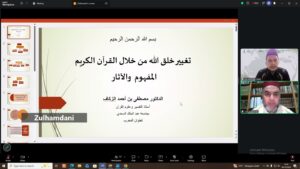
- Prof. Dr. Mostapha Ziggaf, Lc., M.A. (Abdelmalek Essaadi University, Morocco) – Addressed Islamic environmental ethics and ecological stewardship.
- Dr. Muhamad Rezi, M.A. (UIN Sjech M. Djamil Djambek Bukittinggi, Indonesia) – Presented on Reading Nature, Cultivating Ecological Responsibility: Minangkabau Philosophy “Alam Takambang Jadi Guru” in Dialogue with Qur’anic Signs of Creation.

Interdisciplinary Parallel Sessions
In addition to the plenary presentations, ICRL 2026 featured parallel sessions attended by researchers, scholars, and eco-activists from diverse international institutions (including Indonesia, Malaysia, India, Pakistan, Turkey, and Jordan). The parallel presentations were organized across six subthemes:
- Eco-Tafsir and Cosmic Verses: Qur’anic perspectives on ecological balance, eco-theological ethics, and sustainable consumption.
- Eco-Hadith in Facing Modern Environmental Crises: Prophetic environmental ethics, coastal climate resilience, and water stewardship.
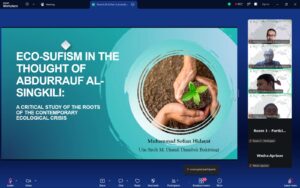
- Local Wisdom and Environmental Conservation in Islamic Theology: The role of eco-sufism and traditional conservation practices (Lubuk Larangan, Sasi) in ecological stewardship.
- Local Wisdom and Eco-Friendly Traditions in Islamic History: Historical conservation, Seerah-based frameworks, and cultural jurisprudence models (Fikih Ekologi).
- Digital Da’wah Transformation: Green preaching in the algorithmic era, digital literacy, and AI-driven religious authority.
- Local Communities and Environmental Movements: Grassroots ecological agency, Malay Sufism, and community-led climate action.
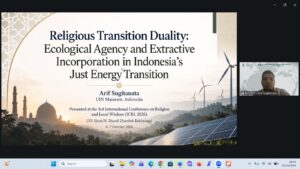
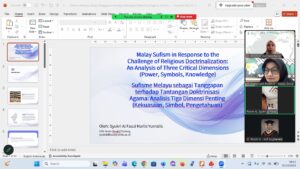
Through ICRL 2026, FUAD UIN Bukittinggi aims to strengthen international academic networks and generate actionable, faith-based, and community-rooted solutions to combat environmental degradation and foster global ecological sustainability.